Examples of what Lanturne notices, the research on falls, how it compares with a pendant, and what a first year costs.
A morning call tells you how things were at that moment, and no more than that. The rest of the day is guesswork, and guesswork is what keeps you looking at your phone.
The usual advice is a medical alert pendant. Press it and it connects to a monitoring center, which arranges help and usually lets the family know afterwards.
Lanturne works the other way round. Alerts go straight to you, with a backup contact if you don't respond, and you decide what happens next.
Nobody knows the person wearing the watch the way you do, so nobody is better placed to judge whether something is serious. If it is, the Call 911 button is right there on the alert.
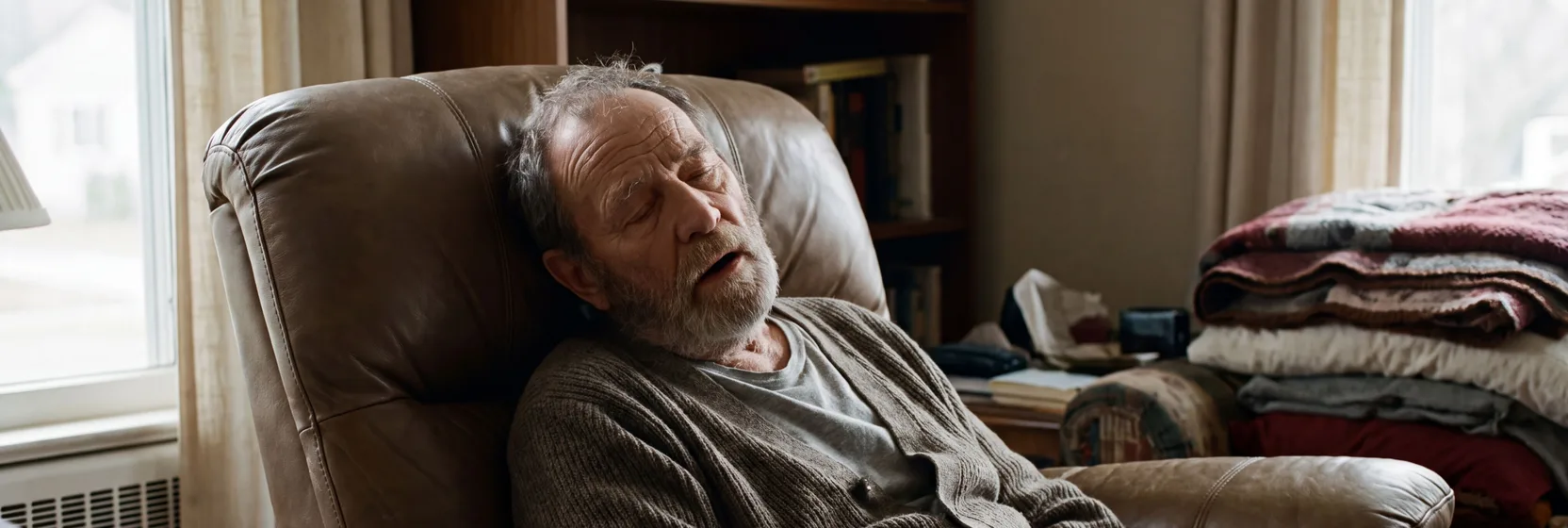
An example morning
Walter lives alone and wears a Galaxy Watch. One morning Walter slumps over in the armchair. It is not a hard fall, so the watch's fall detection does not go off, and Walter cannot press anything. Walter is still alive, but the watch can no longer find a heartbeat. Here is that same morning twice.
Without Lanturne
Walter slumps over in the armchair. The watch does not detect a fall. Walter does not press anything.
You call Walter. No answer. You assume Walter went out shopping.
You text Walter. No reply. You plan to call again after work.
Walter's neighbor sees the mail still in the box, knocks, and finds Walter in the armchair.
How long before anyone knew
9 h 45 min
With Lanturne
Walter slumps over in the armchair, still wearing the watch.
The watch checks Walter's heartbeat every 15 minutes. This time it finds no heartbeat, even though Walter is wearing it.
Your phone gets an alert: Walter is wearing the watch, but it has found no heartbeat for 45 minutes. Get somebody to Walter now.
You call Walter's neighbor, who goes over and finds Walter in the armchair.
How long before you knew
1 hour
An illustration, not a real case. Lanturne is not a medical device and does not detect medical conditions. It alerts you when the watch is being worn and finds no heartbeat. You choose how long it waits before the alert, from 15 minutes.
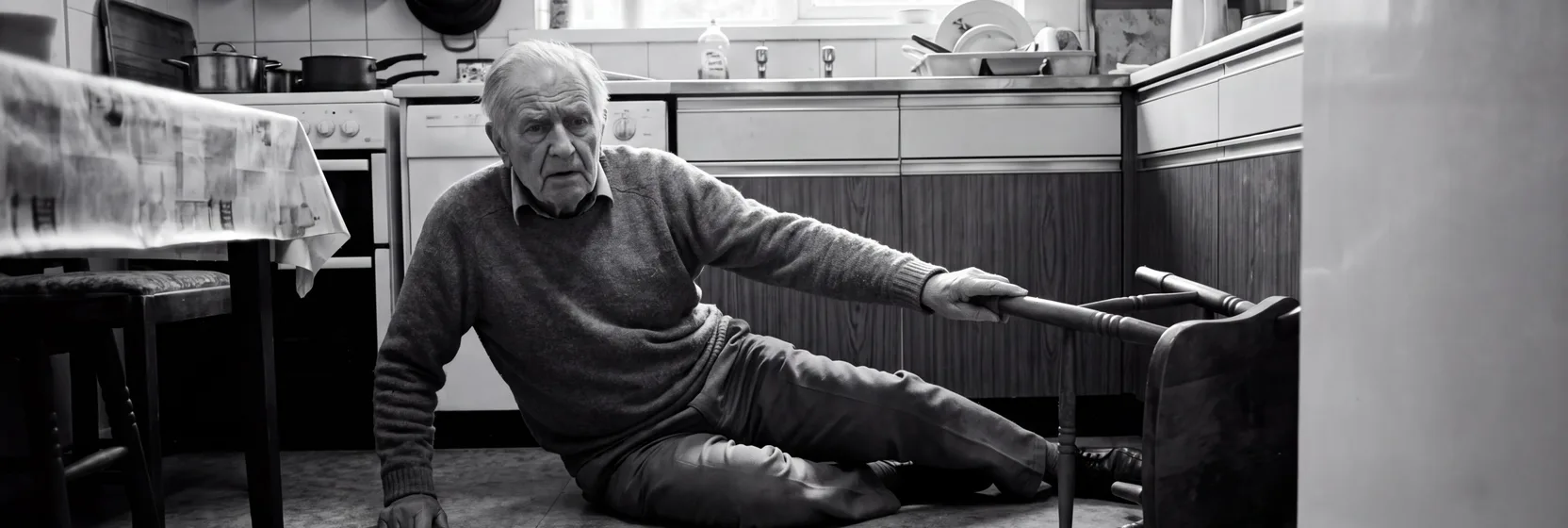
An example morning
Walter lives alone and wears a Galaxy Watch. Every morning at 9:00 the watch asks Walter to check in with one tap. One morning Walter ends up on the kitchen floor and cannot get back up. Here is that same morning twice.
Without Lanturne
Walter ends up on the kitchen floor and cannot get back up. Walter does not press anything.
You call Walter. No answer. You assume Walter went out shopping.
You text Walter. No reply. You plan to call again after work.
Walter's neighbor sees the mail still in the box, knocks, and finds Walter in the kitchen.
How long before anyone knew
9 h 45 min
With Lanturne
Walter ends up on the kitchen floor and cannot get back up, still wearing the watch.
The watch asks Walter to check in. Nobody taps it.
Lanturne alerts your phone: Walter has not checked in this morning, and the watch is still reporting.
You call Walter's neighbor, who goes over and finds Walter in the kitchen.
How long before you knew
3 h 30 min
An illustration, not a real case. You choose the check-in time and how long Lanturne waits before the alert.

Why it matters
More than one in four people 65 and over fall each year, and falling once doubles the chance of falling again.
1 in 4
older adults fall each year, and fewer than half tell their doctor
Twice
as likely to fall again after one fall
4.5 million
emergency department visits a year
CDC, Older Adult Falls Data, updated September 4, 2026.

Minutes count
In a year-long study of people over 90, 82% of falls happened when they were alone. Most who fell could not get up on their own at least once, and in most of the long waits on the floor a call alarm was there and went unused.
Living close does not tell you somebody fell. Down the block or across the country, you find out when something tells you. A detected fall, a missed check-in or a watch that goes quiet sends the alert to your phone.
Fleming and Brayne, BMJ 2008;337:a2227. 110 people over 90 in Cambridge, England, followed for one year. Bars are percentages of the 66 people who fell.
Medical alert watches charge for their own watch, a setup fee and a monthly plan. Lanturne runs on an ordinary Galaxy watch, and a refurbished one with LTE costs $139, so the whole first year looks like this.
Prices from each company's own pages, September 2026. Bay Alarm and Lifeline include a 24-hour monitoring center. Lanturne sends the alert to your phone and to your emergency contact. The AT&T watch line needs an AT&T phone plan.
In the app
Every day on one line: when the watch was on the wrist, when it charged, and when nothing came through.
Check-in times and alerts get the same view, so a change shows up before it becomes a problem.
When the watch was worn
ExampleGive Lanturne a try, free for seven days. Pair the watch, pick a check-in time, and see how it fits your family before you pay a thing. If it is not for you, cancel in Google Play before the week is up and you will not be charged.

7 days free. Cancel any time.

 Start your 7-day free trial